Too Clever by Half

Case studies / Method

SPARK: rebuild one workflow, properly

Everyone has three workflows: what the boss wants, what they think they do, and what they actually do. SPARK finds the real one, shows it back to you, and only then adds AI where it is safe to speed up.

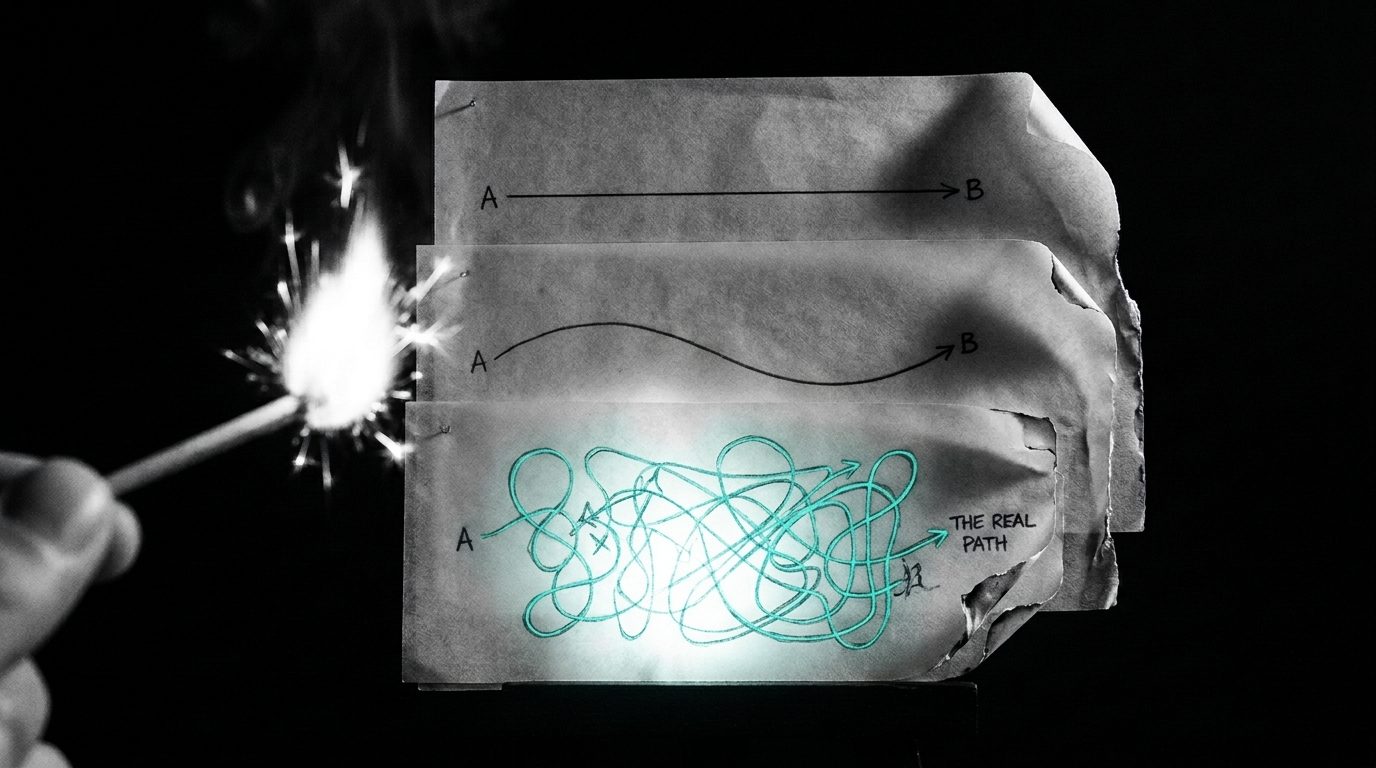
A lit match beside three tracings of the same route: a straight line, a tidy curve, and a tangled line labelled "the real path".
Proves
Mapping the real work first is what makes AI speed up the right things, and leave the rest alone.
Phases
Spotlight → Partition → Augment → Refine → Keep
Format
Facilitated sessions, or a repo your team runs itself
Works with
Any AI tool. It can also run inside other systems, like SuperPosition
Used in
Insurance, government, banking, design and coaching

Read

A spark is just the beginning

A spark is the start of something bigger. Sometimes it’s a moment of illumination, a small eureka. SPARK began with user journeys, from my years in experience design, and grew to cover workflows and SOPs.

Everyone has three workflows

The biggest problem with workflows is that there are three of them: what your boss wants you to do, what you think you do, and what you actually do.

SPARK starts with an interview that finds the third one, your true workflow. The AI asks; you answer. Then it shows the map back to you: the bottlenecks, the approvals, the inputs and outputs, the things running in parallel. Only after that do we look for the weak spots, the most mundane and energy-sucking steps, and decide where AI can help.

The look on their face

I’ve run SPARK with people in insurance, government, banking, design and coaching. The result is always surprise. Almost nobody has seen their own work laid out this way, because almost nobody takes the time to examine what they actually do, and how.

First comes the shock. Then comes the moment they realize how useful it is: they can see where they fit in the larger organization, and exactly where AI could take the work they don’t love, or do it much more efficiently.

How it works

Five phases, in order:

  1. Spotlight: interview the person doing the work, and map what really happens.
  2. Partition: find the bottlenecks and choose what to work on first.
  3. Augment: pick the lightest fix that works, from a single prompt to redesigning the process.
  4. Refine: test it on real work, and fix what breaks, before anyone scales it.
  5. Keep: write it up as a recipe card in a shared Recipe Box, so it outlives the person who built it.

The details (how each phase runs, the scoring, the quality gates) are for the engagement.

Slow on purpose

AI accelerates what’s there. Without a clear map, you might speed straight into a brick wall. With one, you know where you’re going, and where it’s safe to speed up.

So SPARK is slow, deliberate AI adoption. The safeguards live in the testing and refinement phase, before anything scales. And “skip it” is always an option. AI doesn’t have to be one-size-fits-all, and it shouldn’t touch everything, especially where it could wear away people’s expertise.

What’s next

SPARK is becoming a repo. That makes it AI-agnostic, so it works with whichever tool a team already uses, and it can run inside other systems, like SuperPosition.

What still needs a human hand

The interview only works if someone is honest about how the work really goes. Deciding what not to hand to AI is a human call, every time. The method can ask the right questions. It can’t make the choices for you.
Use it

Try it yourself

The real Spotlight interview happens in the session. This is the prep. Run it a few days before, and it will tell you what to bring and how to get ready, so the session goes straight to what you actually do.

Time: 15 minutes, a few days before your SPARK session

  1. Pick one workflow you repeat at least weekly. If you can't choose, pick the one that drains you most.
  2. Run the SPARK prep prompt below and answer honestly. Short answers are fine.
  3. Gather what it asks for, and keep a few notes over the next few days on how the work really goes.
  4. Bring your prep summary to the session.
Prompt 01

SPARK prep

A few days before your session.

I have a SPARK session coming up, where someone will interview me to map
one of my workflows as it really happens: not what my boss wants me to do,
not what I think I do, but what I actually do.

Help me prepare. Ask me one question at a time, and keep it short:
- which workflow I want to look at, and why that one
- roughly how often it happens, and what starts it
- who else touches it (people, teams, approvals)
- which tools, files or systems I use along the way
- the part I'd most like to never do again

Don't map the workflow yet, and don't suggest any AI fixes. That's what
the session is for.

When we're done, give me:
1. A one-paragraph summary of the workflow to bring to the session.
2. A short checklist of what to have ready: examples of real inputs and
   outputs, the tools I'll want open, anyone I should talk to first.
3. Three things to notice about how the work actually goes between now
   and the session, so I can bring real examples, not the brochure version.

Want this run properly, with your team and your real work?

Talk to me about it

More case studies

Client work

SuperPosition: AI that makes you harder to replace

A Chief Operating System for one leader: plain files on their own laptop that learn how they think, lay more perspectives over their own, and hand every decision back. It works with the people around them, and replaces none of them.

Proves AI can carry real leadership context safely when it adds to a person's judgement and never stands in for it.

Client work

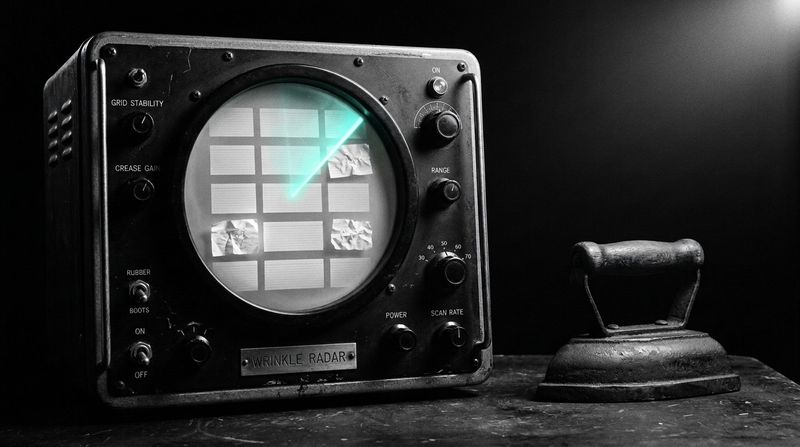
The wrinkle radar: consistent numbers through a transformation

A large US retailer outsourced a whole product team, and the numbers still had to add up. I connected Claude to Jira to catch bad board hygiene, teach the fix, and keep leadership's comparisons fair for a year of constant change.

Proves AI can hold a standard steady while everything around it changes, when a person decides what the standard is.